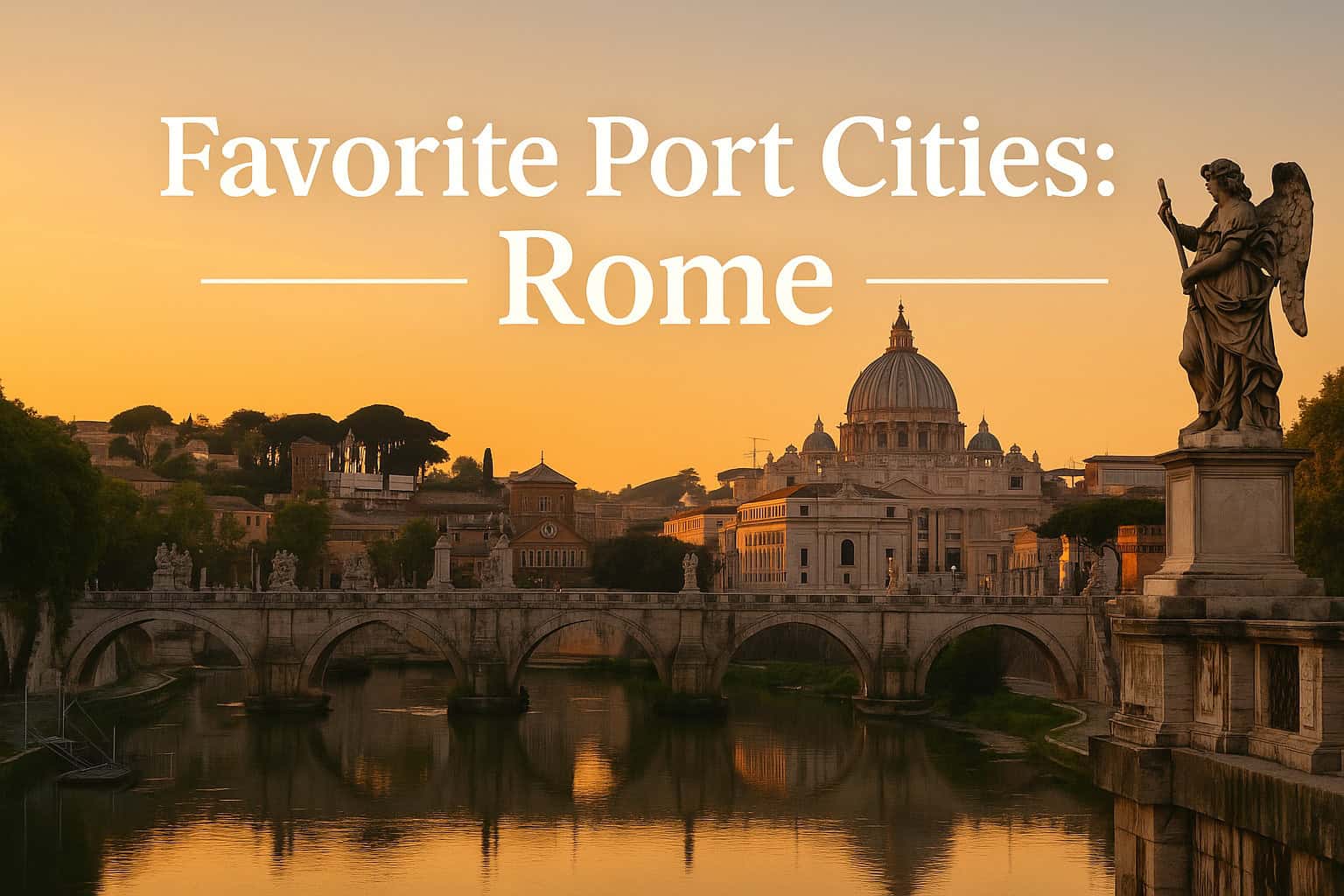
Rome (Civitavecchia) – A Favorite Cruise Port

MAK’n Waves – Favorite Cruise Ports: Exploring Rome
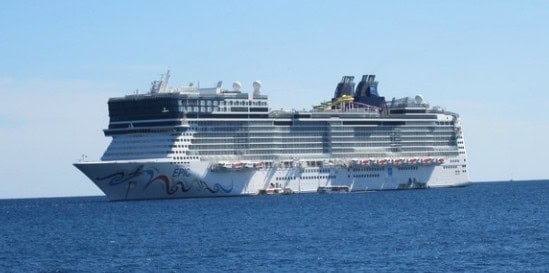
Rome is the ultimate pre-cruise city and definitely one of our favorite port cities. For our Mediterranean sailing onboard Norwegian’s Epic, we treated it like part of the vacation, and would love to share why Rome became one of our favorite cruise port cities.
We flew in five days early, split our team between a budget-friendly hotel by Termini and an upscale stay near the monuments, and shook off jet lag with a first-day food walking tour that had us tasting our way through Rome’s neighborhoods. From coin-toss wishes at Trevi to golden-hour strolls past the Pantheon and Piazza Navona, those extra days turned “embarkation” into an experience.
Roman dining is wonderfully unhurried. Expect 2–3 hour dinners, savor the conversation, and ask for the check—“il conto, per favore”—when you’re ready. You may see a service charge; tipping isn’t like the U.S.—rounding up a bit is plenty. Arriving early meant we could lean into that rhythm, eat where locals eat, and start our cruise already in vacation mode.
(This post contains affiliate links, which means if you click through and make a purchase, we may earn a small commission—at no extra cost to you. Thanks for supporting MAK’n Waves!)
Where to Stay (Two Great Approaches)
Selene Hotel Roma (now operating as Dharma Style hotel & Spa)
As with our other favorite port city posts, we try to share options on both ends of the cost spectrum – both Budget-Friendly and a bit more Upscale.
In this case, we hit the jackpot with Selen Hotel Roma (now operating as Dharma Style Hotel & Spa). Not only does it check the box for budget friendly, but also checks the boxes for convenient location and excellent service from staff. As always, I try to use points from my various points programs for my hotel stays, and in this case, I was able to pay for all 5 nights with Chase points, costing just 40K points per night during off-season.
While we wouldn’t call the hotel “fancy”, it is definitely quaint, as this is more of a boutique property than part of a hotel chain. It is located in a historic building in the center of Rome, They have 36 recently refurbished rooms, offering various options including Family Suites, Executive Suites with their own spas, whirlpool baths, or Turkish baths, as well as superior rooms, double rooms and junior suites. We found that each room is unique in design and décor, as no two rooms are the same.
They have a complimentary breakfast buffet and an afternoon buffet each day, with two full service restaurants adjacent to the property, serving lunch and dinner.
Ultra-Convenient: Termini Area
The hotel is just a block from Termini station, which is the main transportation hub in Rome. It was perfect for our airport transfers and then ultimately to the port in Civitavecchia on embarkation day.
So if we just weren’t in the mood to walk to our day’s destination, we’d easily hop the train for a couple stops to get where we were going. But if you don’t mind walking, and we don’t, we were able to get to most major attractions within 30 minutes, including:
- Opera house – 1 minute from hotel
- Palace of Exhibitions – 7 minute walk
- Trevi Fountain – 15 minute walk
- Colosseum and Roman Forum – 17 minute walk
- Spanish Steps – 20 minute walk
We grabbed a cab to visit the Vatican and Basilica of Saint Peter – or we could have taken the metro in about 15-20 minutes.
Hotel Raphaël (Bio Hotel Raphaël-Relais & Châteaux)
While I stayed at Selene Hotel Roma, the rest of our group stayed at Hotel Raphaël. This is an ivy-draped, art-filled boutique classic hotel tucked just off Piazza Navona. The location is about as central as it gets: literally steps to the square, ~7–10 minutes to the Pantheon (~0.4 mi), ~15 to Trevi Fountain and the Spanish Steps, and a pleasant ~20-minute stroll to St. Peter’s via Castel Sant’Angelo.
Why it works for cruisers: You can wander to Rome’s headline sights in every direction, then end the day on the hotel’s multi-level rooftop for sunset views over domes and rooftops (you’ll spot the Pantheon and St. Peter’s). The on-site Mater Terrae is an upscale, organic/vegetarian restaurant and bar that’s a destination in its own right.
Upscale setting: As a Relais & Châteaux property, Raphaël leans into discreet luxury: a vine-covered façade, curated art (including Picasso ceramics), and contemporary executive floors designed by architect Richard Meier. Rooms and suites mix classic Roman character with polished, modern finishes; many guests come specifically for that refined, quietly glamorous vibe.
Standout staff: Recent guest feedback consistently calls out the team for warm, proactive service—front desk and concierge especially—plus thoughtful touches at breakfast and on the terrace. It’s the kind of place where staff remember your preferences and make great dining and transfer arrangements.
Top Things To Do in Rome (First-Timer Essentials)
Eat the City: Our Day-1 Food Walking Tour
Often when we have a couple days to explore a new city, we like to start off with a food walking tour. This not only gives you a lay of the land, but helps plan our meals for the rest of our stay — find what you love and stick with it. With a little research prior the trip, we learned that two of Rome’s food hubs are Campo de’ Fiori market area and the historic Jewish Ghetto. With this in mind, we found a great food walking tour that took us through both areas where we explored pizza, cacio e pepe, pastries, fried artichokes and more.
While we explored a lot of new foods and variations of foods that are plentiful here in the states, such as pizza, there were three different foods that just stood out as must haves: Carciofi alla Giudia, Cacio e Pepe, and Gelato.
Fried, True, and Totally Roman: Carciofi alla Giudia
If it’s fried, we try it. And Rome’s Jewish Ghetto serves the GOAT of “wait…you fried what?” foods: carciofi alla giudia—whole artichokes pressed, twice-fried, and served hot so the petals shatter like chips while the heart stays silky. Who knew a thistle could moonlight as the city’s best bar snack?
How to do it right: Go to the Jewish Ghetto (around Portico d’Ottavia) and order one per person—trust us. A squeeze of lemon, a pinch of salt, maybe a glass of Frascati or Falanghina, and you’ll understand the hype. Peak season is late winter through spring; if you’re visiting off-season, ask if they’re using fresh Romanesco (mammole) that day.
Our go-tos:
- Da Enzo al 29 (Trastevere) – tiny, beloved, worth the wait. Our Top Choice
- Nonna Betta – famously crunchy petals, tender center.
- Ba’Ghetto (and Ba’Ghetto Milky) – reliable, kosher kitchens with all the Roman-Jewish hits.
- Giggetto al Portico d’Ottavia – iconic, touristy, still fun for that first crunchy bite.
Bottom line: come for history, stay for the fry. One bite and you’ll be plotting how to smuggle a fryer onto the ship.
Cacio e Pepe: Rome’s Three-Ingredient Mic Drop
If pasta had a greatest hits album, cacio e pepe would be track one. It’s just Pecorino Romano, black pepper, and starchy pasta water—aka a cheese sauce built by physics and wrist action. No cream, no butter, no excuses. The goal is a silky glaze that clings to tonnarelli (square spaghetti) with pepper confetti in every bite.
How to do it right
- Order tonnarelli cacio e pepe; if it arrives soupy or with cream, that’s not the Roman way.
- Sauce should coat, not pool; pepper should be freshly cracked and obvious.
- Pair with a crisp white (Frascati) or house red and let the table linger.
Our go-tos:
- Flavio al Velavevodetto (Testaccio) – classic Roman lineup, great cacio.
- Felice a Testaccio – famous tableside toss; book ahead.
- Roscioli Salumeria con Cucina – gourmet pantry vibes, stellar pastas.
Gelato: Two Scoops, Zero Regrets
Rome runs on espresso by day and gelato therapy by night. The trick is knowing the good stuff: muted colors, seasonal flavors, and often those metal tubs with lids (pozzetti). Pistachio should be olive-tan, not neon green; banana is beige, not highlighter yellow. If you see towering, fluffy mountains… keep walking.
How to spot “real” gelato
- Look for “artigianale” (made in-house), natural colors, and short flavor lists.
- If the color is bright and vibrant, it’s probably not “real” gelato
- Many shops make you pay first at the register (cassa), then bring the receipt.
- Ask for panna (whipped cream) on top—when in Rome!
Bottom line: Linger like a local—order small, come back often, and consider gelato your nightly “research.”
A good food tour will typically show you where the locals go for their delicacies and allow you to taste both savory and sweet local cuisine. We like to schedule our food tours for late morning or late afternoon, substituting a restaurant meal with all of the tour samples.
Local Insights
Here is definitely one of the better videos you will find online. This is from Messinger Guides, a former Professional Food Guide in Rome. It’s long, but well worth it. Eat Where The Romans Eat
Colosseum and Roman Forum
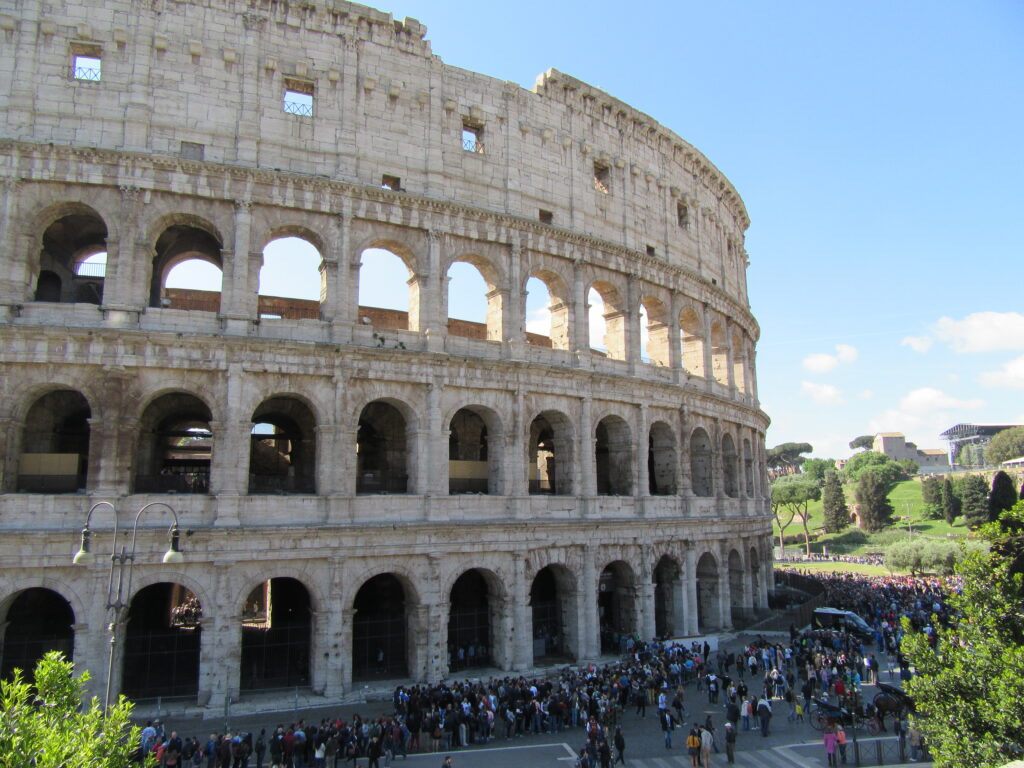
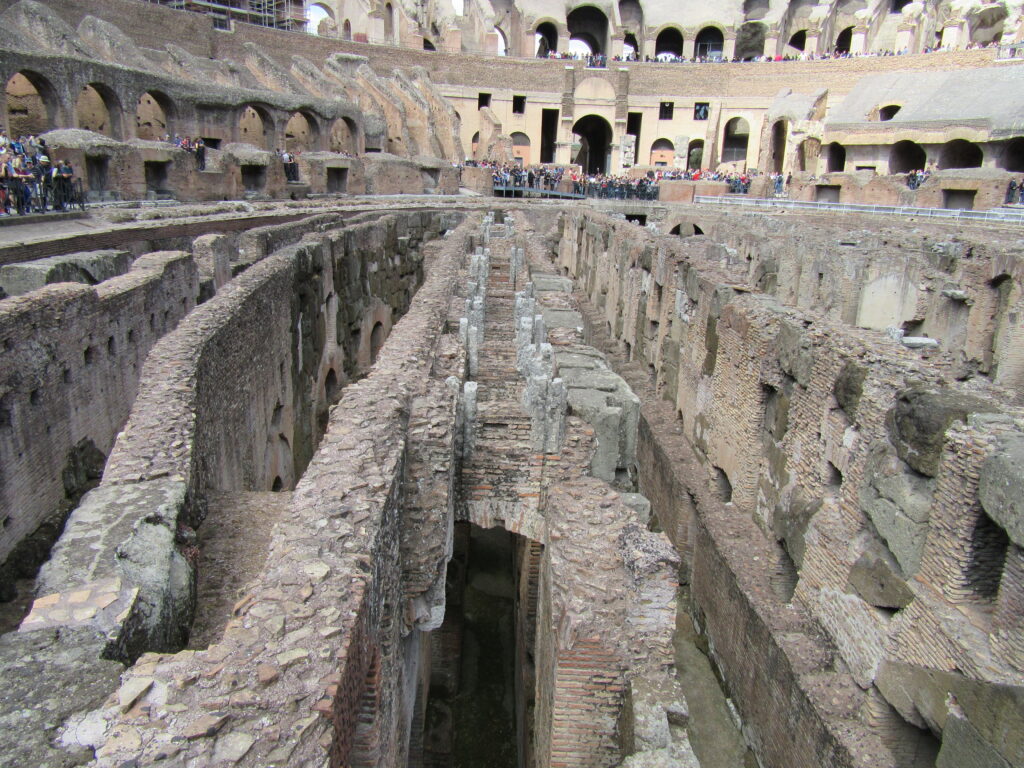
Time-slot tickets sell out so make sure to book early, whether booking direct or using a tour company. Consider a guided tour if you want your adventure to really come alive. I was lucky enough to find a tour that included exclusive access to the underground level of the arena. It was pretty amazing to walk amongst the underground ruins where gladiators once roamed and prepared for battle. This tour also focused on the often-overlooked details about the arena’s brutal history, truly bringing the ruins to life.
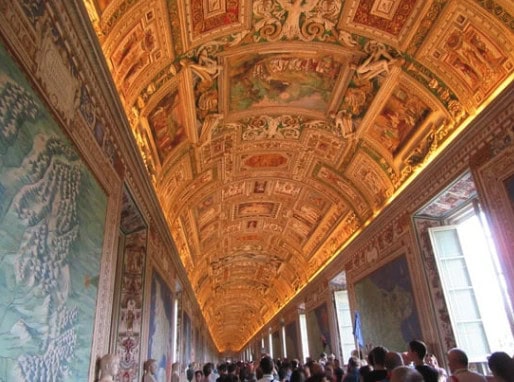
The Vatican: Awe-Inspiring… and Packed. How to Do It Smartly
We loved the history and the sheer scale of the Vatican—but wow, the crowds. At peak times you’re moved along in a slow, shoulder-to-shoulder wave. Here’s how to keep the magic and lose (most of) the madness.
When to go for thinner crowds
- Time of year: Best bets are Nov–mid-Dec and mid-Jan–early Mar. Summer and holidays = wall-to-wall people.
- Days & times: Aim for Tue or Thu after 3:00 pm or first entry of the day. Saturdays are heaviest.
- Avoid: Wednesday mornings around St. Peter’s (papal audience crowds), and the free last Sunday of the month (budget-friendly, but jam-packed).
Smart strategies that actually help
- Book first-entry or late-entry access. “Skip the line” helps at the door; it doesn’t thin the galleries though. Being first in or last in does.
- Go small-group or private. Fewer people = easier to pause, ask questions, and hug the edges when big groups roll through.
- Beeline, then backtrack. If seeing the Sistine Chapel is your priority, go straight there first, then return for favorites like the Raphael Rooms.
- Use the “Sistine → St. Peter’s” shortcut (with a guide). Some guided tours can exit directly to the basilica—huge time and crowd saver.
- Dress code ready. Make sure that knees and shoulders covered for the basilica; bring a light scarf/cardigan so you’re not turned away.
- St. Peter’s Basilica timing. Lines are often shortest early morning or late afternoon; consider early dome climb for views before the heat and crowds.
If you only have 2–3 hours
- First entry to the Museums → fast track to Sistine Chapel.
- Loop back for Raphael Rooms and a quick pass through your must-see galleries.
- Guided exit to St. Peter’s (if available) → brief basilica visit; skip the dome if lines are long.
Bottom line: The Vatican is extraordinary—but planning your season + day + time is everything. Go early or late, pick a small group, and prioritize what matters most to you; you’ll leave wowed instead of worn out.
Trevi Fountain, the Pantheon & Piazza Navona
Start in Piazza Navona, Rome’s “elegant living room.” Bernini’s Fountain of the Four Rivers anchors the square, with café terraces, street artists, and musicians setting the mood. Also a great place for a gelato and to just sit and people-watch. From here it’s a short walk to the Pantheon, a 2,000-year-old marvel whose perfect dome and open oculus create that famous shaft of light inside. Step in, look up, and let the room get quiet for a minute; it’s one of those “only in Rome” moments.
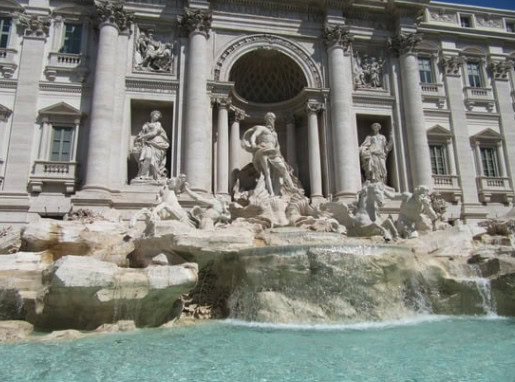
Continue to Trevi Fountain, where the Baroque sculptures surge from the palazzo like a stage set, and one that has been featured in many movies. Do the classic ritual: toss a coin with your right hand over your left shoulder—legend says it guarantees a return to Rome. Go early morning or later at night to avoid the thickest crowds. Because it never gets old, go ahead and treat yourself to a gelato on the walk back.
For Wine Lovers: An Evening with Marco Lori (Off The Vine)
If you are a true wine lover, or you aren’t there just yet but really want to better understand wine and all of the ins and outs of wine, read on!
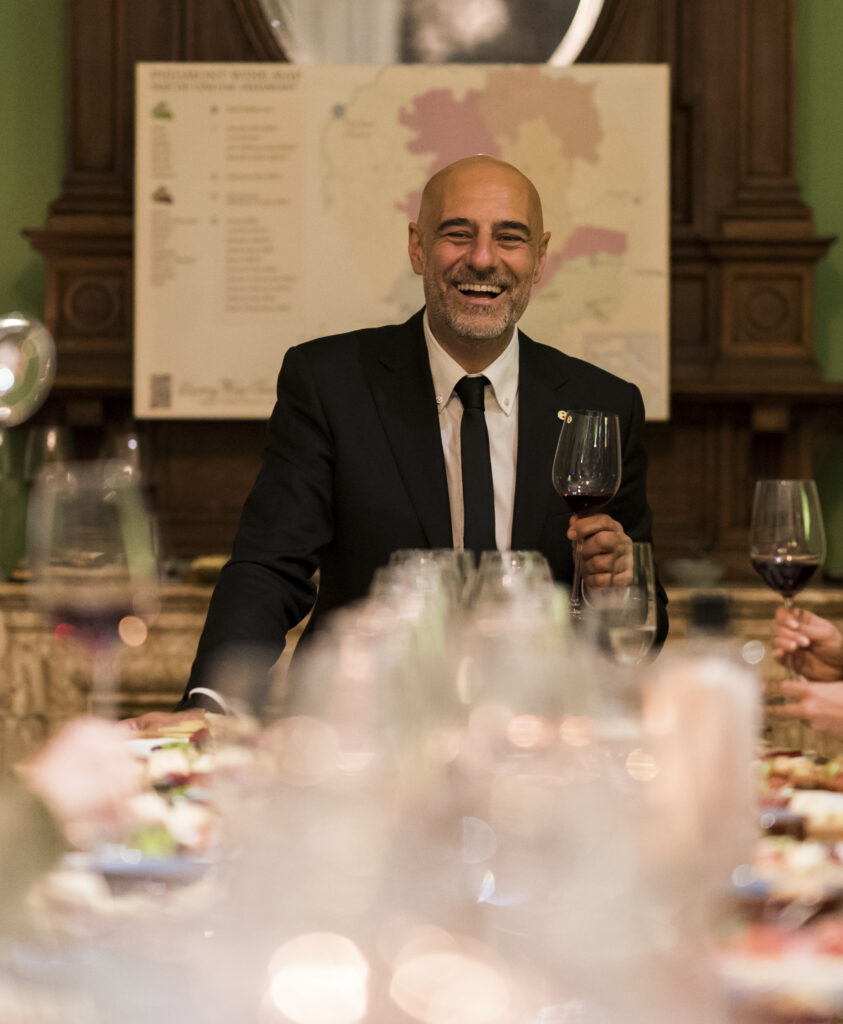
We booked a private 3-hour wine-and-food pairing with Marco Lori of Off The Vine—and it was unforgettable. Marco doesn’t just pour great Italian wines; he shows how the right bite of food can transform what’s in your glass. We tasted through multiple regions while pairing contrasting foods, and he deliberately had us try a few “wrong” matches so we could taste the difference. It changed how we’ll order wine with meals—forever.
Who Marco is: An Italian sommelier and Executive Wine Master (recognized by the Worldwide Sommelier Association, 2014), Marco has spent decades teaching pairing principles and leading private tastings, pairing dinners, and neighborhood strolls that weave wine, food, and Roman history. You’ll find him writing about wine and guiding experiences around the city—he’s even known as the #SmilingSommelier for his easygoing style.
What to expect: Many sessions run in authentic Roman trattorie, often featuring six regional courses paired with six Italian wines, with hands-on coaching about why a match sings (think acidity with fat, tannins with protein, regional with regional). He offers various formats, as he also leads 3.5-hour evening food-and-wine strolls through historic neighborhoods if you prefer a moving feast.
Why we loved it:
- Hyper-personalized and interactive—zero lecture vibe, all “aha!” moments.
- A master at demystifying Italian labels and helping you remember what you love.
- Warm, professional hosting; he’s as quick with a story as he is with a perfect pour.
How to book / contact:
While I would normally just offer a link to find out more about Marco and Off The Vine, an evening with Marco is nothing or the norm. He was not only our Wine Pairing Maestro for the evening, but by far the most memorable “tour-guides” we have ever had. In addition to a link to his website, I encourage you to personally reach out to him with any questions or to help customize an unforgettable evening of wine, food, and storytelling.
- Website: Off The Vine
- Email: marco@offthevine.it
- What’s App: +39 373.7909505
Tip: Schedule this early in your Rome stay—your restaurant choices the rest of the week will be better for it. And if you have dietary preferences, tell Marco in advance; he’s great at tailoring the lineup.
How to Get From Rome to Your Ship (Civitavecchia 101)
Rome’s cruise port is Civitavecchia, about an hour away—it’s not in Rome, so plan your transfer accordingly. Regional trains run frequently from Roma Termini to Civitavecchia; where typical journeys are ~50–70 minutes depending on service. From Civitavecchia station, port shuttle buses connect passengers to the cruise terminals via Largo della Pace.
Your options
- Train (DIY): Frequent, inexpensive, ~50–70 min. Great if you’re near Termini and traveling light.
- Private transfer: Door-to-door, easiest with luggage or groups, but will run $150-$200 USD.
- Coach services: Scheduled buses also run between the port and Rome. sitbusshuttle.com
Embarkation-Day Buffer
Build in extra time for crowds, strikes, or delays. Aim to reach Civitavecchia well before your check-in slot; the shuttle from Largo della Pace to your terminal is straightforward.
A 3-Day Pre-Cruise Plan (Steal This)
Day 1 — Arrive + Eat
Check in, take a food walking tour, and do an evening stroll: Trevi → Spanish Steps → gelato.
Day 2 — Vatican Morning, Trastevere Night
Vatican Museums + St. Peter’s first thing; cross the Tiber for a lazy Trastevere afternoon and dinner.
Day 3 — Ancient Rome Highlights
Colosseum + Forum in the morning; later, wander the Pantheon area and Piazza Navona at golden hour.
MAK’n Waves Tip
Group your big-ticket sights (Vatican, Colosseum) on separate days so you’re not burned out by lunchtime.
Dining Culture in Rome: Linger, Don’t Dash
In Rome, dinner isn’t a pit stop—it’s the evening’s main event. Once you’re seated, the table is essentially yours for the night. No one will hover or drop the check early; you’re expected to sit, eat, chat, and relax. Meals start later (many kitchens open ~7:30 pm; locals wander in 8:30–9:00), and courses come at a natural pace—antipasti → primo (pasta) → secondo (meat/fish) → contorni (sides) → dolce → caffè → amaro—with conversation doing most of the timekeeping.
How to dine like a Roman
- Ask for the check when you’re ready: “Il conto, per favore.”
- Share or split the meal? This is totally fine—just say “da dividere” (to share).
- Coffee rules (if you care): Espresso after the meal; cappuccino is a morning thing.
- Water shorthand: Liscia (still water) or frizzante (sparkling water).
- Service line items: You may see a small coperto/servizio on the bill; tipping is modest—round up a bit and you’re good.
- Bar vs. table: Standing al banco is cheaper; sitting al tavolo can include a small surcharge—worth it if you’re lingering.
Bottom line: Slow down. Rome’s best dinners feel unhurried because they are—give the evening to the table, and it gives the city back to you. (I think that could be a country song.)
Just in Rome for the Day (Port Call from Civitavecchia)
Option A — Greatest Hits (DIY by train)
Early train to Roma Termini, Metro to Colosseum (exterior walk), taxi to Trevi, stroll to Pantheon & Piazza Navona, late lunch, then back to Termini and the port. Keep a hard return time and plan for train variability.
Option B — Small-Group “Rome in a Day”
Pre-book a guided combo that sequences Colosseum exterior + timed Vatican entry + historic-center walk. It costs more but eliminates friction and maximizes your short window.
Option C — Cruise Tour: If you have a limited time in port and tend to worry about missing the “last call” for the ship, book one of the cruise lines Best of Rome tours, which should hit all of the key sites. It’s typically more pricey, but does provide some piece of mind – if on limited timeline.
Practical Pointers
- Shoes > Fashion: Cobblestones win every time.
- Water Fountains (Nasoni): Safe, free, and everywhere—bring a bottle.
- Pickpockets: Especially around Termini and major sights; use zipped/inside pockets, or you might love this wallet sleeve.
- Tickets: Buy official timed entries in advance for the Vatican and Colosseum.
- Getting Around: Metro A/B cover most first-timer routes; use taxis/Uber to fill gaps.
Local Insights
Here are a couple other recommended websites to visit for a deeper dive into Rome, Cruising to/from Rome, and Things To Do while in Rome:
Stefan’s RomeCabs – Top 10 Civitavecchia Cruise Port Tours Questions Answered
Travel Journal – Civitavecchia Rome Port Guide
Why Arrive Early
Jet-lag buffer + world-class sights + slow, spectacular meals. Rome sets the tone for your whole cruise—and Termini access makes embarkation day easy.
Before You Sail: Our Rome Takeaway
If you can swing it, treat Rome like the first port of your cruise. Flying in 3–5 days early let us shake off jet lag, wander from Piazza Navona to the Pantheon at golden hour, time the Vatican to dodge peak crowds, and eat like we meant it—food tour on day one, cacio e pepe on repeat, a crunch-fest of Jewish artichokes, gelato “research” nightly, and an unforgettable pairing evening with our Wine Pairing Maestro, Marco Lori. Base within walking distance to major attractions, slow your dinners to Roman speed, and remember: you’re not rushing through a checklist—you’re warming up for the Mediterranean.
Ready to plan your own pre-cruise Rome? Use our walking-food-tour link, reach out to Marco Lori at Off The Vine to customize an evening of perfectly paired sips & bites, and save this guide for your embarkation game plan. If this helped, share it with your cruise crew and drop your favorite Rome bite in the comments—then meet us back here for the next stop in Favorite Port Cities. Buon viaggio!
Some Other Favorite Port Cities
Amsterdam: A Favorite Port City
San Juan: A Favorite Cruise Port City


