Japan by Sea: Hidden Gems and Smart Tips for cruisers

Exploring Japan Beyond The Brochure
If you’ve ever spent time in Japan, you know the country has a way of sticking with you. After cruising and exploring Japan twice last year, I walked away with the same realization both times: no matter how many temples you visit or how many famous streets you wander, the best parts of Japan are often the ones you stumble upon — a tiny lantern-lit alley, a rooftop garden no one mentions, or a market stall that hands you the freshest mochi of your life.
Since MAK’n Waves likes to share some of their Favorite Port Cities, I thought I would put together a guide that goes beyond the usual sightseeing lists. Whether your ship pulls into Tokyo (Yokohama) or Osaka (Kobe), these are the little gems, cultural quirks, and “I wish I knew this the first time” tips that made my trips smoother, tastier, and a whole lot more authentic.
Japan rewards the curious traveler — so let’s explore the spots that don’t always make the brochure… but absolutely should.
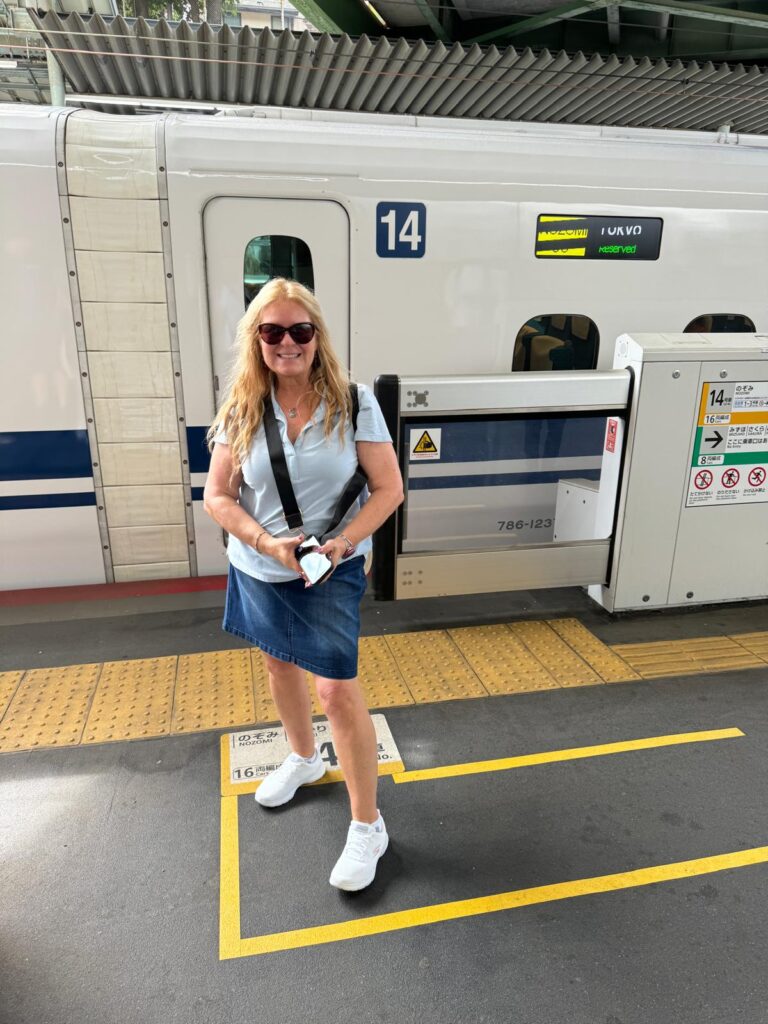
Hidden Gems If You’re Docking in Tokyo / Yokohama
Tokyo is full of iconic experiences — Shibuya Crossing, Senso-ji Temple, Tokyo Tower — but what charmed me most were the places tucked just outside the spotlight. These are the spots where you slow down, breathe, and get a glimpse of everyday Tokyo life. If you’re looking to wander a little off the beaten path, which can be intimidating depending on the city but had no hesitation in Tokyo, here’s where I’d head first:
Yanaka Ginza Shopping Street: This little slice of “old Japan” feels worlds away from modern Tokyo. Narrow streets lined with mom-and-pop shops, friendly vendors, retro snacks, and cat statues around every corner. It’s quiet, charming, and one of the easiest ways to feel like you’ve stepped back in time.
Omoide Yokocho (“Memory Alley”): If you want atmosphere, this lantern-lit alley delivers in full. Picture tiny yakitori stalls, narrow passageways and a lot of street food vendors. It’s cozy, loud, delicious, and perfect if you want a quick bite with a whole lot of local flavor.
Ginza Six Rooftop Garden: Most people visit Ginza for luxury shopping, as did I, but the rooftop garden is the real hidden treat. Free to enter, beautifully landscaped, and surprisingly peaceful. This was the perfect place for a breather between sights (or while waiting for shops to open – about 10am.)
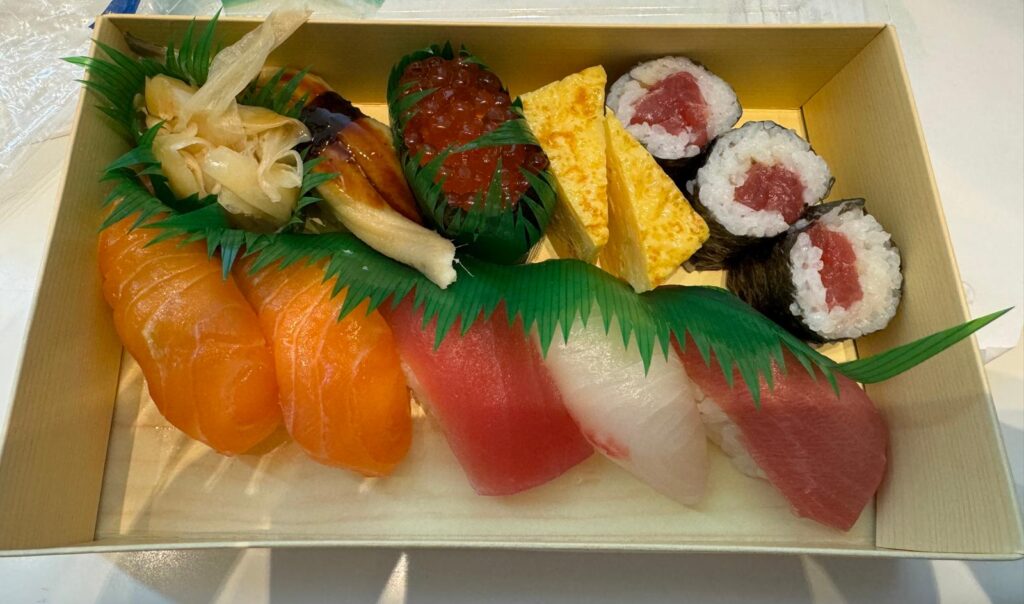
Standing Sushi Bars: Don’t let the lack of chairs fool you, as these spots often serve sushi fresher (and cheaper) than many sit-down restaurants. While sushi isn’t really my thing, the rest of my group is all in. You just step up to the counter, point at what you want, and enjoy watching the sushi masters hard at work.
Vending Machine Alleys: Japan’s vending machines are a national treasure. Some alleys have machines offering everything from canned hot soup to mystery drinks labeled only with a “?”. It’s fun, weird, and very Japan…worth a try!
Hidden Gems If You’re Docking in Osaka / Kobe
Osaka and Kobe have a totally different vibe from Tokyo — more relaxed, more food-focused, and really quite quirky. While the big attractions are fantastic, these lesser-known spots made my visits feel extra memorable.
Kuromon Market (the back rows!): The front of the market is popular, but the back aisles are where the magic happens. Think wagyu beef skewers, grilled scallops cooked right in front of you, and fresh mochi made by hand. Prices are lower, crowds are smaller, and it feels more local.
Hozenji Yokocho: This atmospheric stone alley looks like something out of a movie. Lanterns glow overhead, the path winds past traditional restaurants, and the moss-covered Buddha statue invites visitors to splash water for good luck.
Shinsekai Retro District: If you love neon lights, old-school arcades, and quirky retro photo ops, and who doesn’t, then Shinsekai is a must. Grab some Osaka street food, wander through vintage shops, and soak up the nostalgia of this 1960s-style neighborhood.
Himeji Castle Side Streets: Most cruisers head straight to the main attraction — Japan’s most spectacular castle — but the real charm is found just off the main path. Quiet cafés, traditional teahouses, and tiny sake bars line the surrounding streets. It’s worth lingering before you hop back on the train or bus.
Kobe Nunobiki Herb Garden Cable Car: A short cable car ride delivers gorgeous views over Kobe, plus peaceful gardens and cafés at the top. If you want a break from the city noise (or just a perfect Instagram moment), this is it.
MAK’n Waves Tip: Skip one major attraction and use that time for something small, local, and a little weird. It’s where the most memorable moments happen.
If you enjoy deep-dive port guides like this, check out other posts including:
Money & Paying for Things
One of the biggest surprises for first-time visitors is that Japan, despite being incredibly modern, still relies heavily on cash. Street food stalls, family-run businesses, and some small restaurants simply don’t take cards.
ATMs that accept foreign debit cards are easy to find in 7-Eleven, Lawson, and Family Mart, and the machines usually offer English options. Most importantly: don’t tip. Not in taxis, not in restaurants, not even for great service. Tipping isn’t part of the culture and can feel awkward to locals.
If you plan to shop, remember that many stores offer tax-free pricing for tourists if you show your passport and spend ¥5,000+ in one store. Cosmetics, stationery, and matcha treats are especially popular souvenirs.
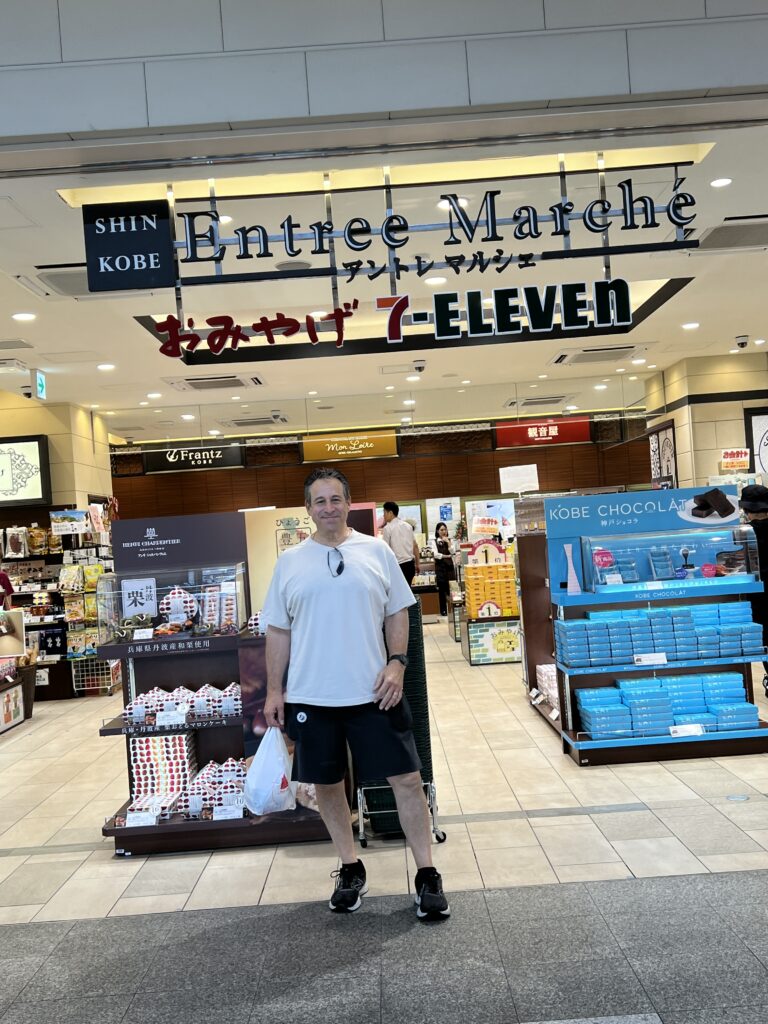
And yes — konbini (convenience stores) are legendary. Fresh sushi, fruit cups, pastries, sandwiches, hot meals… even men’s dress shirts at 7-Eleven.
Getting Around Like a Local
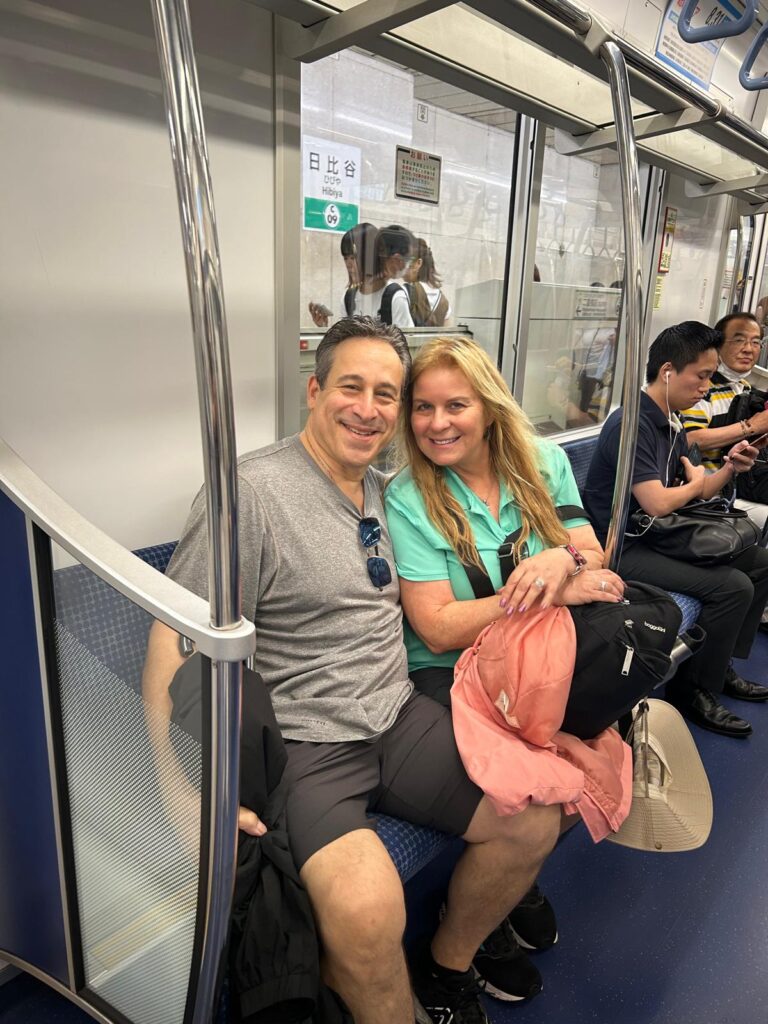
Japan’s transportation system is clean, punctual, and incredibly easy once you get the hang of it. For cruise passengers on short port days, trains and subways are the best way to move around quickly.
Skip the pricey Japan Rail Pass — it doesn’t make sense for single-day visits. Instead, grab an IC card like Suica, Pasmo, or Icoca. Tap in, tap out, and you’re good to go. Easy.
Taxis are spotless and safe, but more expensive. And while trains are wonderfully efficient, try to avoid rush hour (5–8 p.m.) on your way back to the ship unless you like commuters packed in tighter than sushi rice.
The Suica Card is a prepaid, rechargeable smart card used for public transportation and electronic payments. It’s accepted at vending machines, most items in 7-Eleven and for most public transportation.
Staying Connected
Japan is pretty generous with public Wi-Fi — you’ll find it in train stations, Starbucks, and many convenience stores — but it’s not always the most reliable. If you want smoother navigation and translation throughout the day, I strongly recommend renting a pocket Wi-Fi or using an eSIM. You can pick them up at the airport, your hotel, or even have them delivered.
And don’t forget about Google Translate’s photo mode. It works really well on menus, signs, train maps, and even those mystery vending machine items.
Eating & Etiquette
Japanese food culture is built around respect and enjoyment — and a few simple rules help you fit right in.
Eating while walking is discouraged, so find a bench, a counter, or a designated eating spot before digging in. If you’re unsure where to eat, follow the locals.
A few etiquette notes:
- Don’t stick chopsticks upright in rice — it’s associated with funerals.
- Don’t tip — truly, just don’t.
- And if you’re loving your meal, a simple “Arigatou gozaimasu”, a more formal and respectful version of Arigatou (thank you) goes a long way.
Language, Culture & Courtesy
One of the things I love most about Japan is how gracious and patient the people are. You don’t need to speak Japanese fluently — even a simple “Arigatou” (thank you) brings smiles.
Copy what locals do if you’re unsure, whether it’s removing your shoes, placing payment in the little tray, or standing on the left side of the escalator. Trash cans are hard to find, so carry a small bag for your trash.
Japan is incredibly easy to navigate once you adjust to the flow.
Safety & Emergency Tips
Japan is one of the safest countries in the world, and I always felt comfortable exploring — even solo. Still, it helps to know the basics.
Police boxes, called Koban, are on many corners and staffed by friendly officers who will help with directions or concerns. For emergencies, dial 110 for police and 119 for fire/ambulance. Train stations can get crowded, so keep wallets and phones secure just to be safe.
What NOT To Do in Japan
Japan isn’t difficult to navigate, but a few common slip-ups are easy to avoid:
- Don’t eat while walking
- Don’t talk loudly on trains
- Don’t wear shoes inside places that require removal
- Don’t tip
- Don’t stick chopsticks upright in rice
- Don’t block sidewalks with luggage
- Don’t place bags on empty train seats
- Don’t stand on the right side of escalators (left = stand, right = walk)
- And always use the little payment tray — not the cashier’s hand
Follow these, and you’ll blend right in.
Final Thoughts
Cruising Japan isn’t about racing through a checklist — it’s about the quiet, unexpected moments that linger long after your trip. A steaming bowl of ramen in a five-seat shop. A local pointing you toward a hidden shrine. Or the simple joy of wandering a backstreet in Osaka that feels like you’ve stepped into a different era. Those are the moments that stay with you.
And if Asia is on your horizon, stay tuned: Mike and Susan will be diving deep into Singapore, Vietnam, Taiwan, and Japan in early 2026, sharing detailed port guides, top experiences, local eats, and tips to make your cruise adventure unforgettable. Until then — follow your curiosity, wander the side streets, and let Japan surprise you.
If you’re a fan of exploring beyond the brochure, you might enjoy our guide to the Private Island Craze.