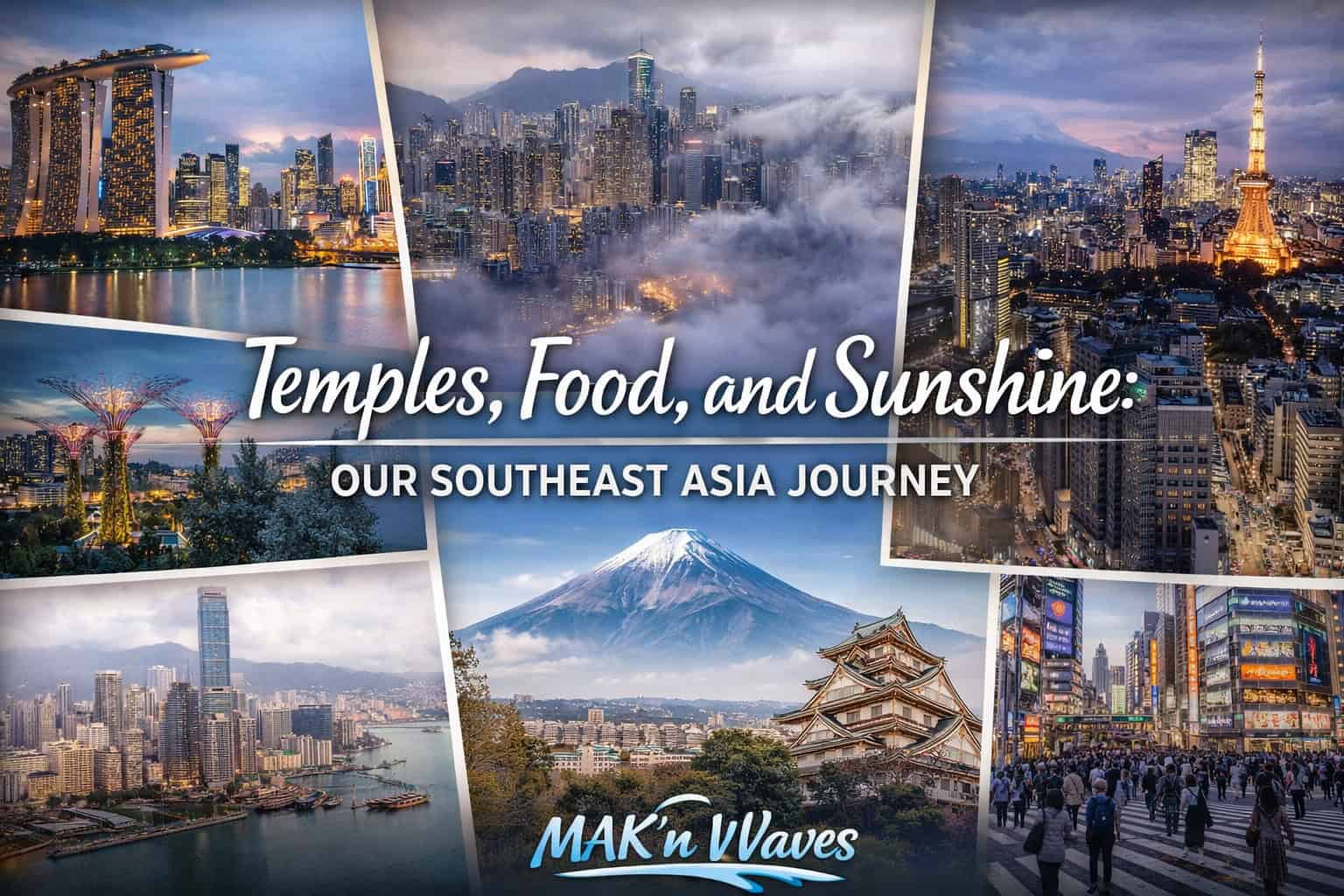
Our Southeast Asia Journey: Temples, Food, and Sunshine

While we have been home from this trip for a month now, I have been struggling with writing this article, wanting to share some of the highlights, without boring everyone with extensive details. So let’s see how this goes.
There are some trips you take that you enjoy, and then there are trips that stay with you long after you return home. Our recent 21-day Southeast Asia cruise itinerary—much of it spent aboard the Diamond Princess—definitely falls into that second category.
This wasn’t just a cruise, as this trip was truly a collection of experiences layered together. We experienced bustling cities, quiet temples, incredible food, long bus rides, cultural contrasts, and moments that made us stop and think a little more deeply about the world around us.
Looking back, the title that kept coming to mind was simple: Temples, food, and sunshine.
But as we quickly learned, a Southeast Asia cruise itinerary offers far more than just that.
Starting Strong: Singapore
If there’s a perfect place to begin a cruise, Singapore makes a strong case for it.
Clean, modern, efficient, and somehow still deeply rooted in culture. It’s a city that feels easy to explore and incredibly dynamic at the same time.
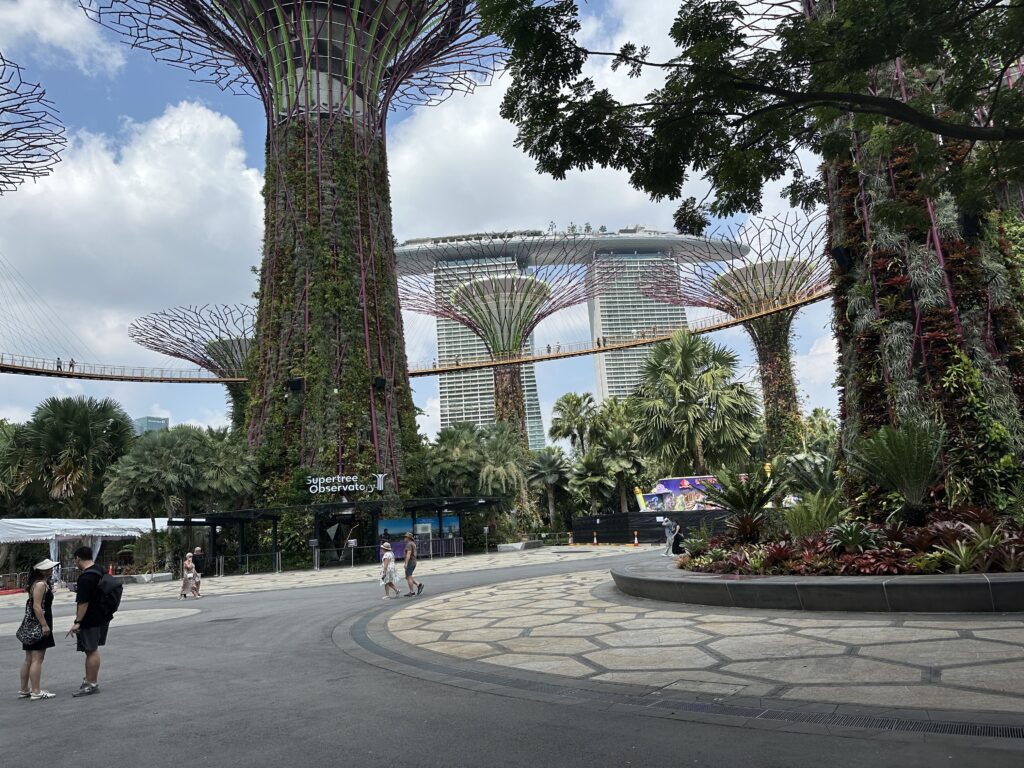
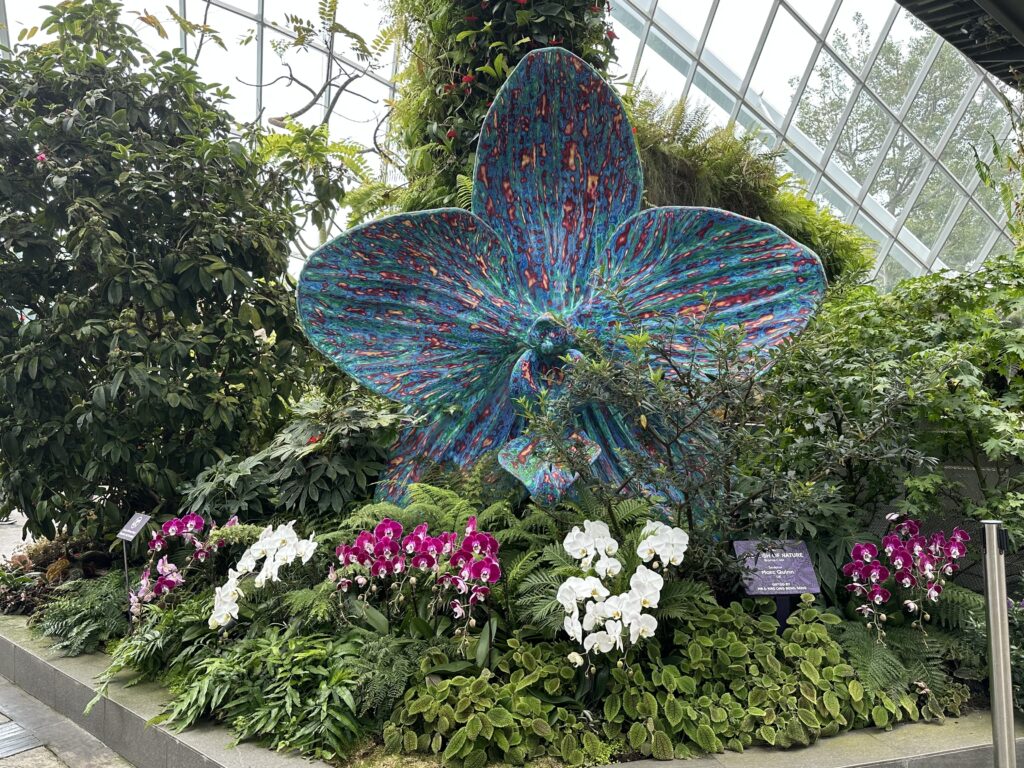
We spent time exploring everything from Marina Bay Sands and the Supertrees to local food spots that gave us our first real taste of what Southeast Asia would offer.
And yes… this is also where we started to understand the difference between a hawker center and a food court (hint: one involves air conditioning, the other involves a lot more authenticity).
If you’re planning a stop here, we covered it in detail: Singapore – A Favorite Cruise Port City

Life at Sea: Diamond Princess
From Singapore, we boarded the Diamond Princess, which would be our home for the next two weeks.
As many of you know, there’s something about settling into a ship for a longer itinerary like this that changes the experience entirely.
You’re not rushing, you’re not counting down days, and instead, you start to fall into a rhythm.
Morning coffee.
Exploring a new port.
Evenings in the theater or a quiet lounge.
And somewhere along the way, the ship itself becomes part of the journey.
Diamond Princess in particular, felt like a return to classic cruising—comfortable, relaxed, and more about the experience than the flash.
| We shared a full breakdown of the ship here: Diamond Princess Review |
A Journey of Contrast
One of the things that makes a Southeast Asia cruise itinerary so unique is how dramatically each port can differ from the next.
In just a matter of days, you can go from ultra-modern cities like Singapore to rural villages in Vietnam, to dense urban skylines in Hong Kong, and then on to the cultural depth of Japan.
That constant contrast is what makes this part of the world so fascinating and, at times, a bit overwhelming…but in a good way.
Vietnam: Three Ports, Three Very Different Experiences
Vietnam was one of the most eye-opening parts of the trip. We visited three different ports, and each one felt completely unique.
In Ho Chi Minh City, we experienced what felt like a large, bustling urban center—crowded, energetic, and at times overwhelming. The contrast between wealth and poverty was impossible to ignore, especially as we ended the day in an upscale shopping district filled with luxury brands like Hermès, Louis Vuitton, and Gucci—an experience that only amplified that disparity.
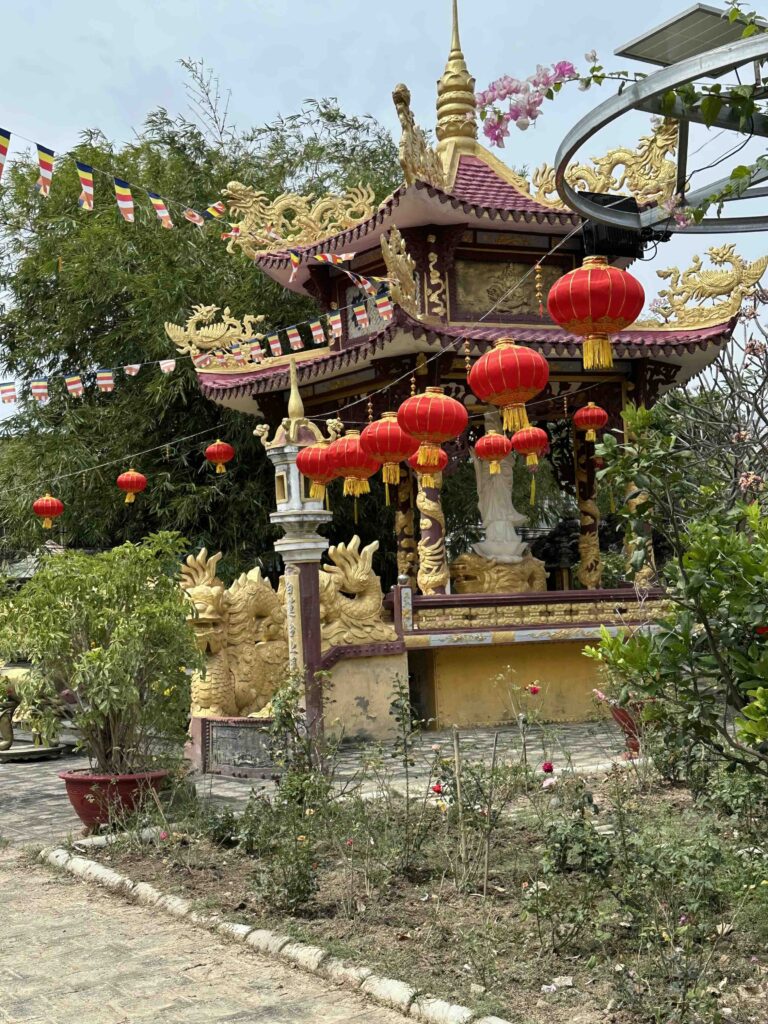
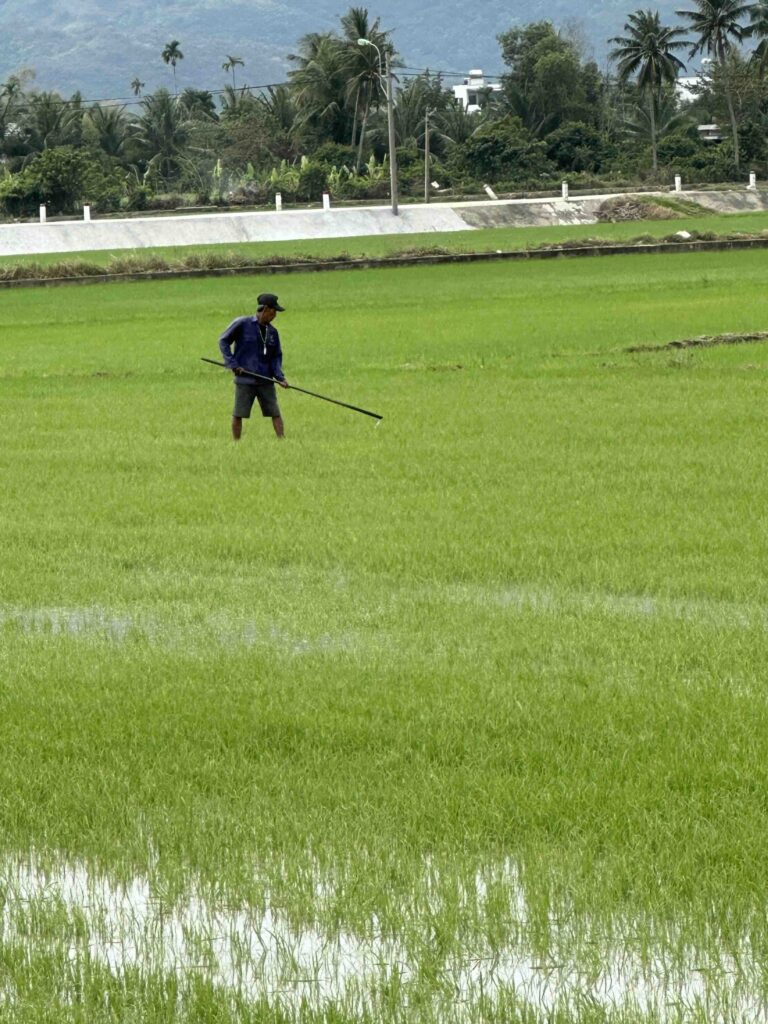
Our second stop, Cam Ranh, took us in the opposite direction—into rural villages, local markets, and the everyday lives of people living far from the city centers. It was quieter, more personal, and in many ways more memorable. We also ported at a Vietnamese military base due to port construction, which added a level of security we hadn’t experienced elsewhere.
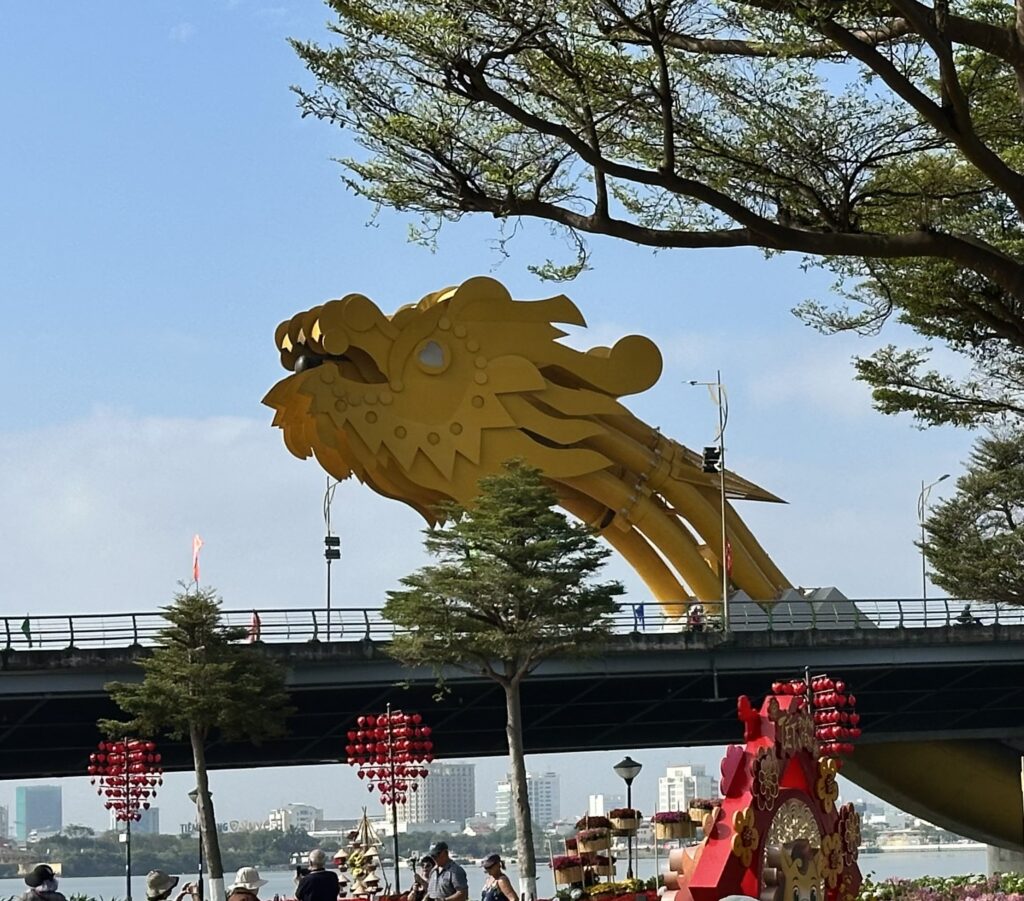
Then came Chan May, where we visited Da Nang and Hoi An. This stop felt like stepping into history, with ancient streets, traditional crafts, silk production, and visits to the Marble Mountains. Easily one of the most culturally rich stops of the trip.
Two things stood out across all three ports:
- The long travel times from port to destination
- The very real and visible poverty throughout the country
We go deeper into all three ports here: Cruising Vietnam
Hong Kong: Fog, Markets, and Life on the Water
Hong Kong felt like a complete shift in pace. From the moment we arrived, the city felt vertical—layered with skyscrapers, energy, and movement.
One of the highlights was taking the Peak Tram up to Victoria Peak. Now, this is supposed to be one of those iconic, breathtaking views—and I’m sure on most days, it is.
Unfortunately for us, the fog had rolled in so thick that it was hard to fully appreciate the view. You could tell it was there… it just wasn’t showing itself that day. One of those moments that gives you a reason to come back for sure.
We shifted gears and explored Stanley Market, which turned out to be the perfect place to knock out all of our souvenir shopping. Busy, colorful, and full of energy.
We also hopped on a sampan to explore the Aberdeen Fishing Village, which gave us a completely different perspective of the city—life on the water, away from the skyscrapers.
Taipei: Culture, History, and a Few Surprises
Taipei offered a fascinating mix of tradition and modern life.
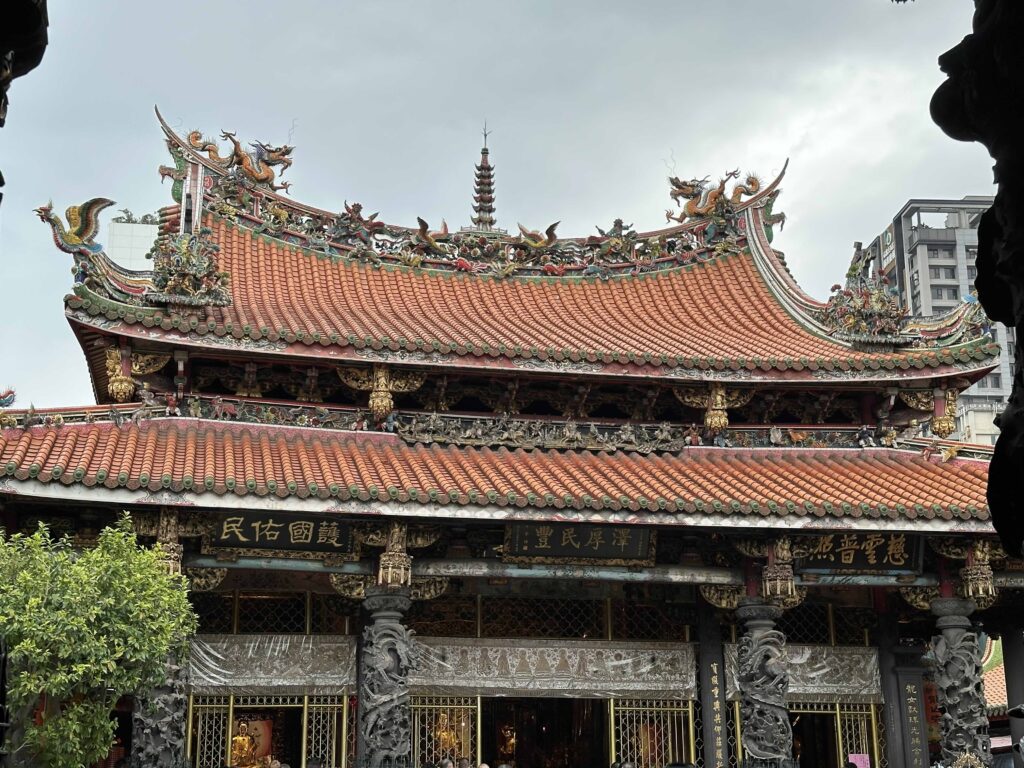
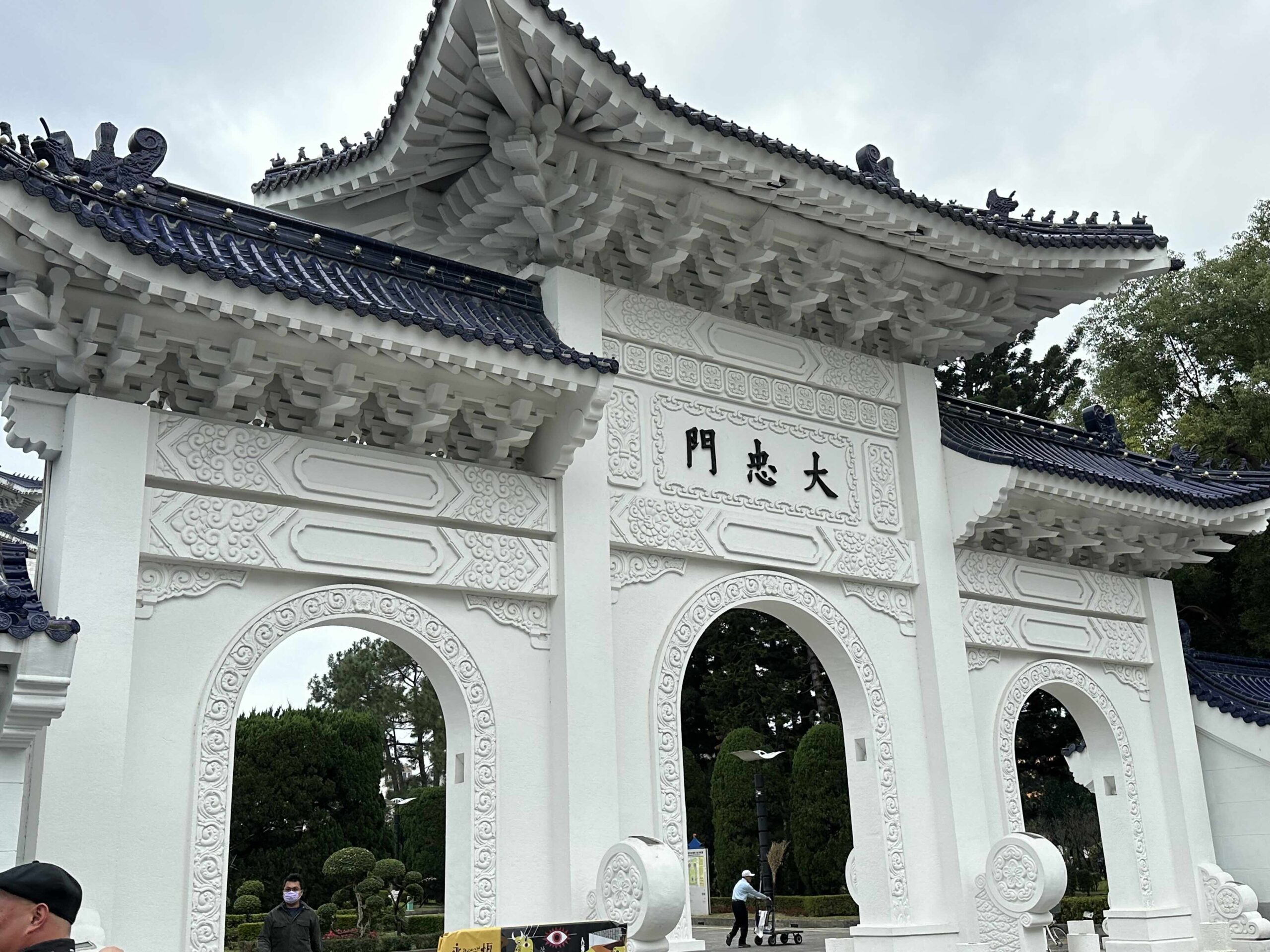
We visited Lungshan Temple, one of the most detailed and culturally rich temples we’ve seen, followed by the impressive Chiang Kai-shek Memorial Hall, where we were able to watch the popular changing of the guards ceremony.
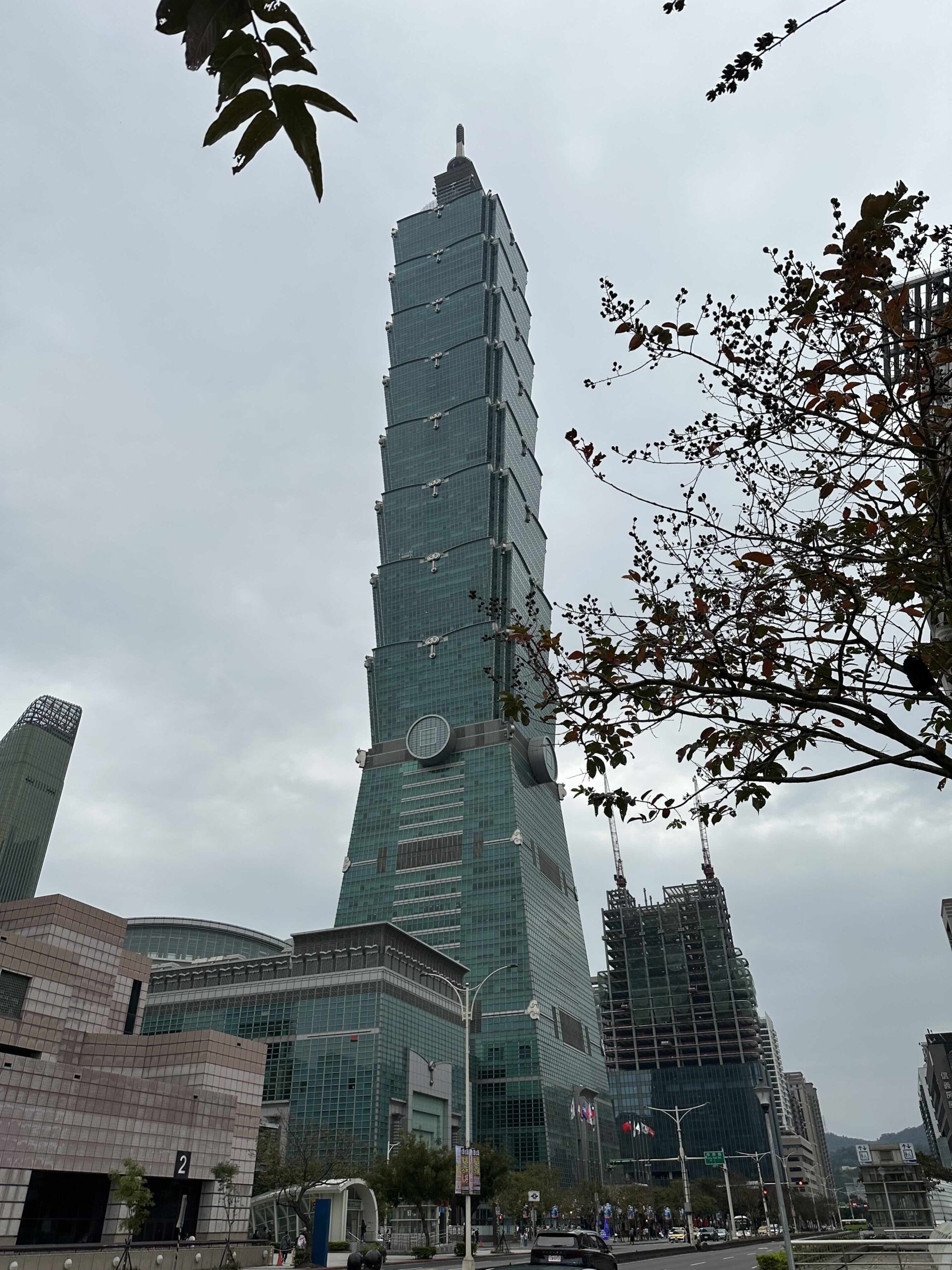
We also stopped at Taipei 101, which had recently gained global attention after Alex Honnold’s free-solo climb of the building. Standing there looking up at it gives you a whole new appreciation for both the structure—and the climb.
Taipei felt vibrant, busy, and deeply rooted in its history—all at the same time.
Shimizu: When the Clouds Part
Shimizu turned out to be one of the most memorable stops of the trip—and completely unplanned.
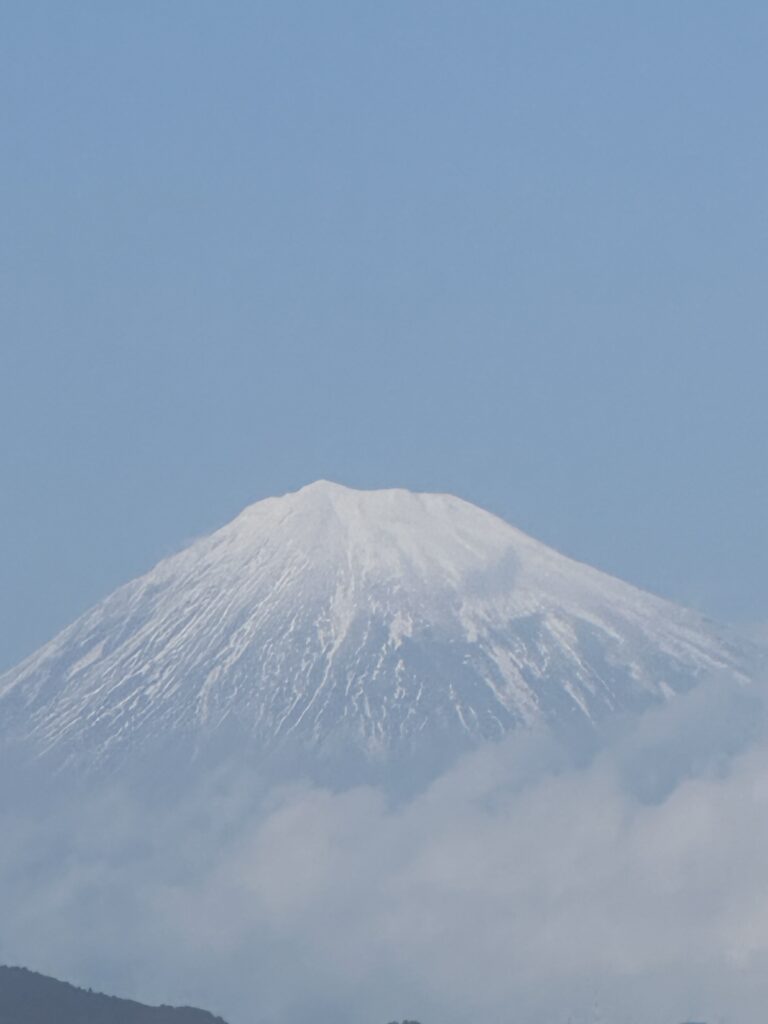
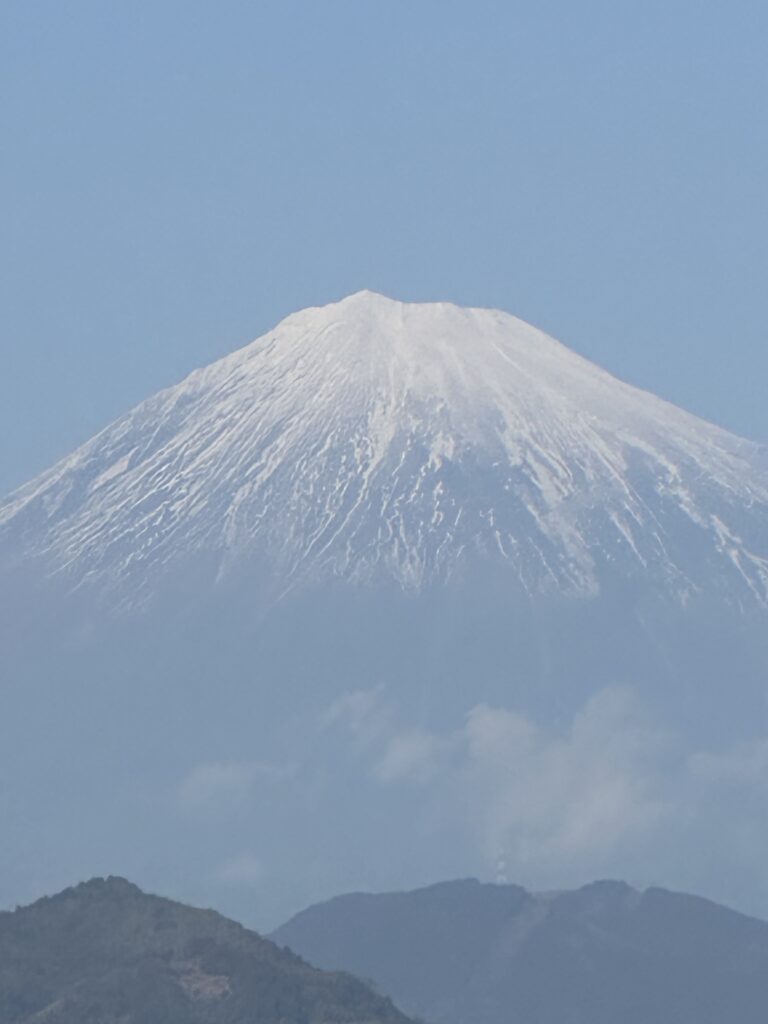
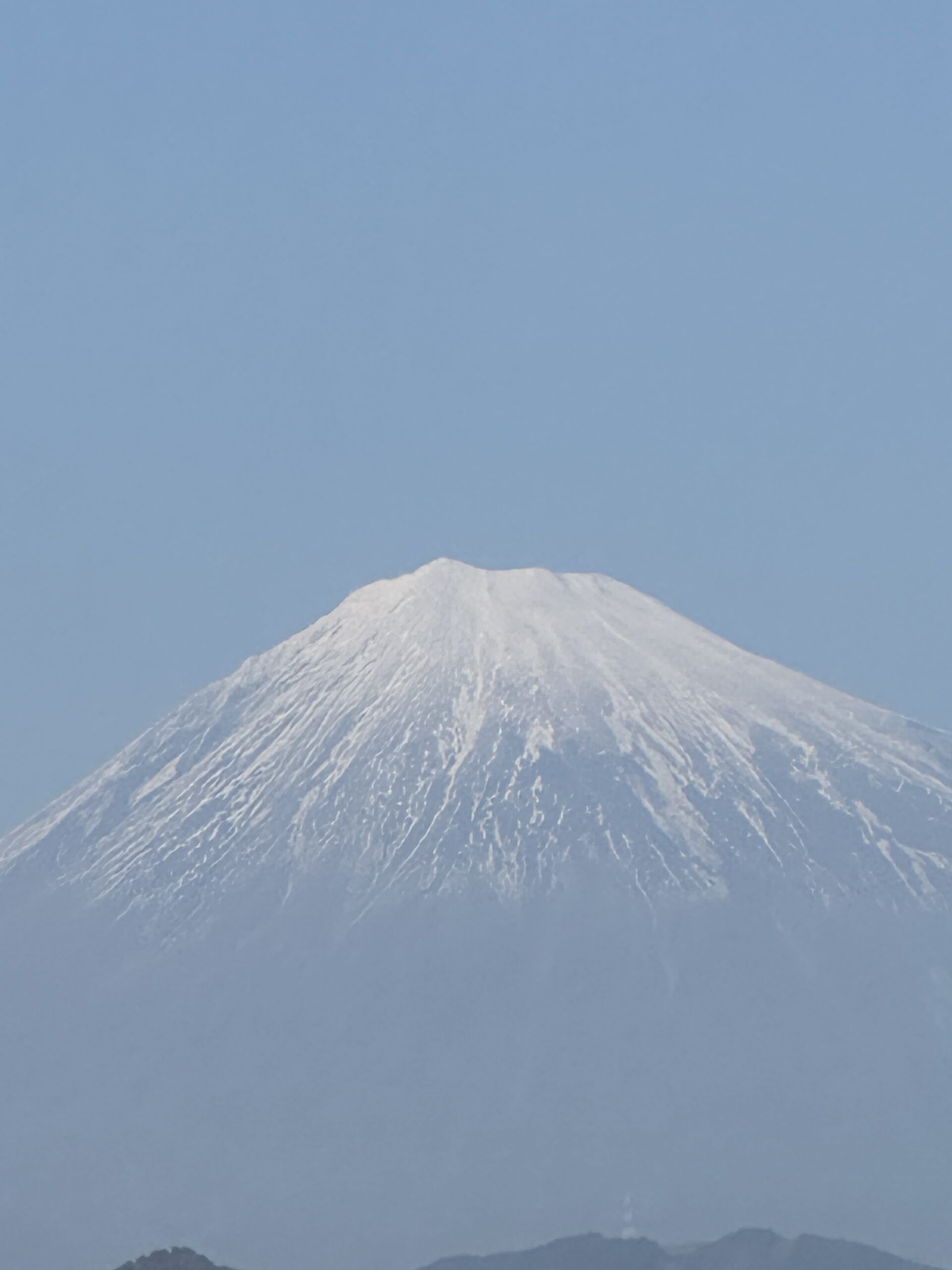
We spent the day casually walking around, doing some shopping, and taking it all in. And then, almost out of nowhere, the clouds began to part, and there it was. Mt. Fuji.
Coming from Colorado, we’re used to seeing “14ers”—mountains over 14,000 feet tall, but there was something different about Mt. Fuji. It wasn’t just the height, but it was the presence.
Seeing it appear through the clouds like that… it was one of those moments you don’t forget.
Osaka: Worth Every Step
Osaka was a day that required a bit more effort—but delivered.
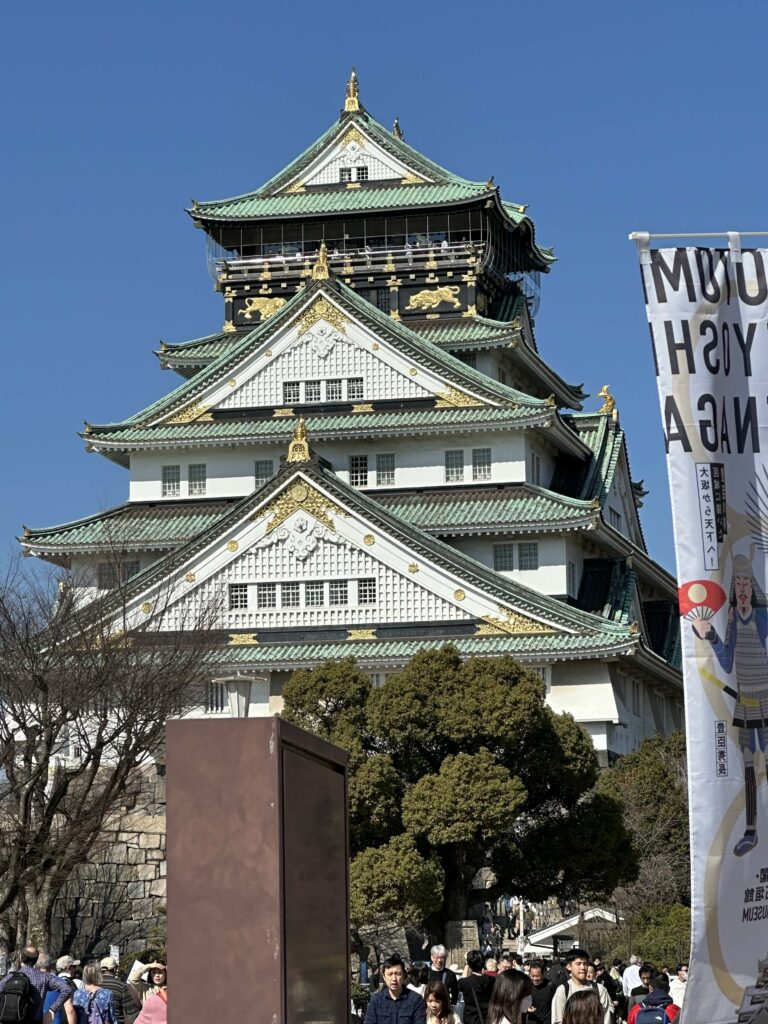
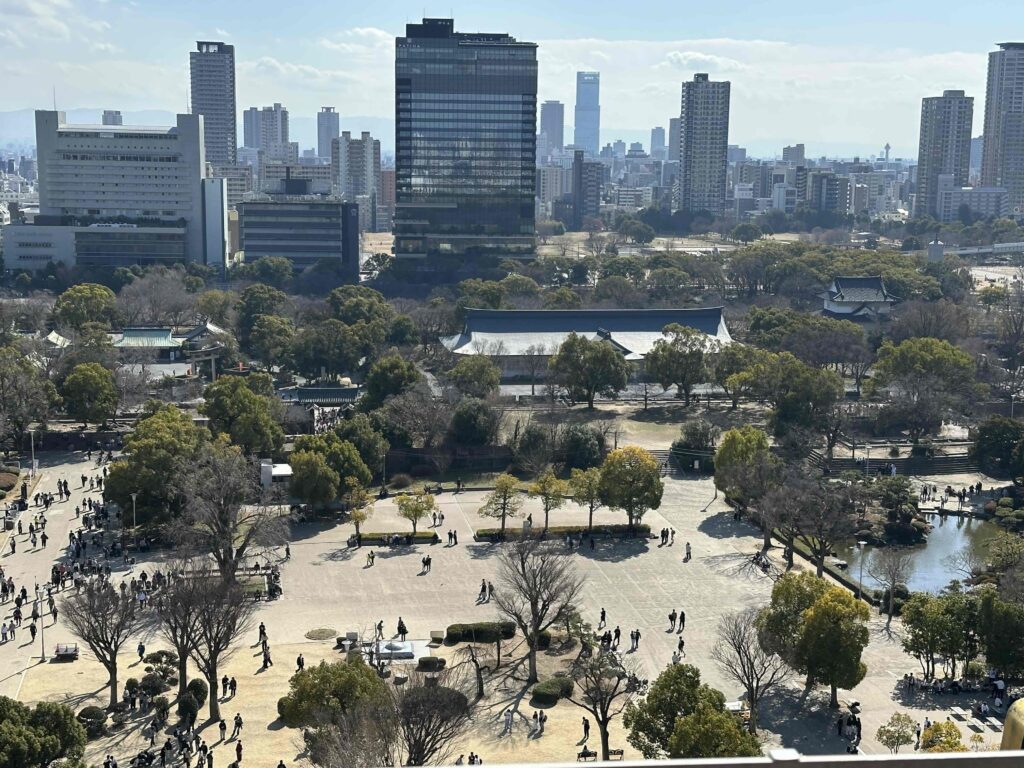
Our visit to Osaka Castle involved quite a bit of walking (hit our first 20K step day) but it was absolutely worth it. The scale, the history, and the setting made it feel significant the moment we arrived.
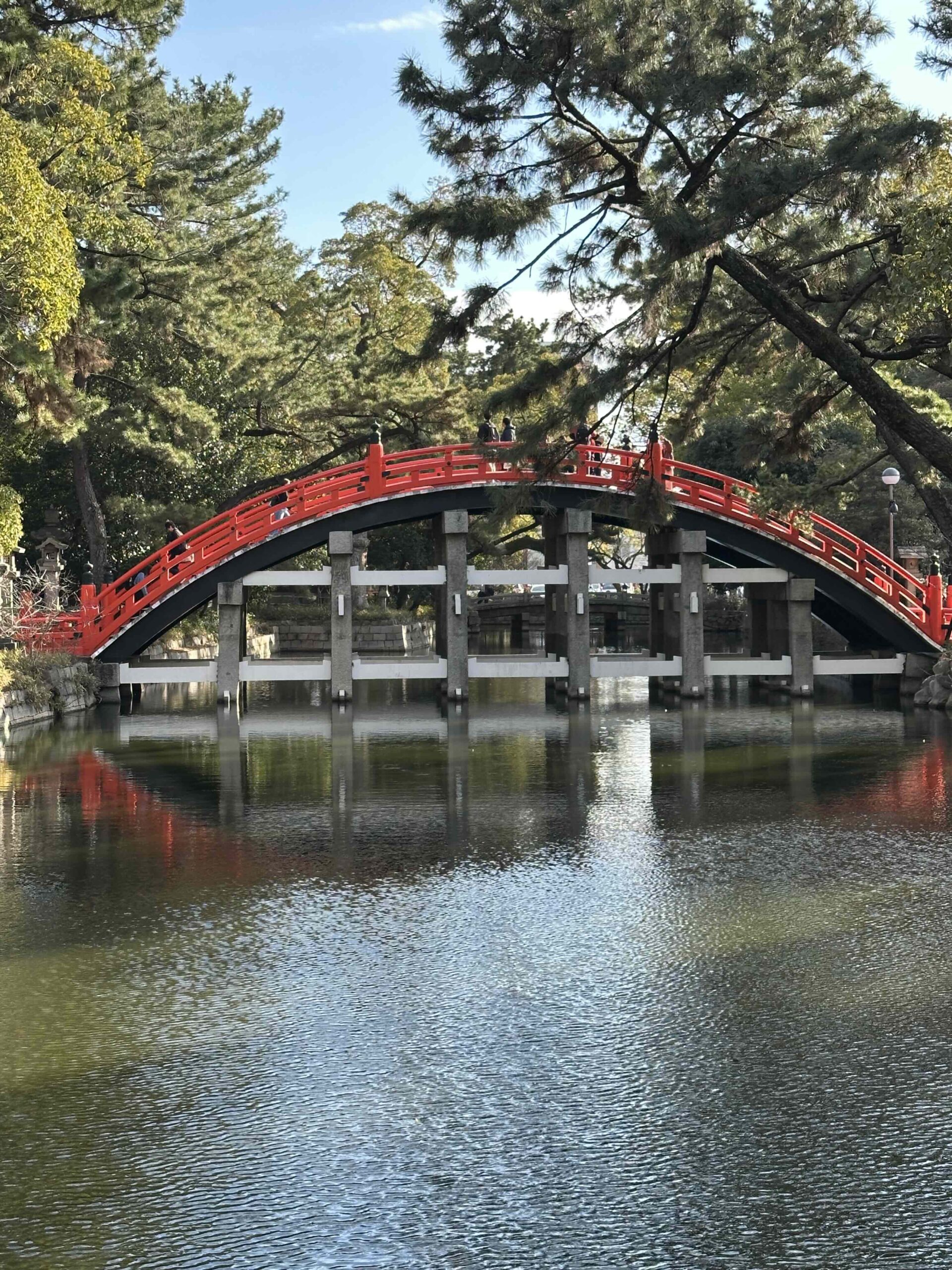
Our second highlight was the Sumiyoshi Shrine, known for its unique architectural style and iconic arched bridge. It offered a quieter, more peaceful contrast to the energy of the city.
Tokyo: Organized Chaos
Ending the trip in Tokyo felt like the perfect contrast to everything we had experienced.
With only 48 hours, we hired a private guide—which turned out to be one of the best decisions of the entire trip.
After learning the incredibly efficient (and very clean) subway system, we visited Meiji Shrine, a peaceful retreat tucked inside one of the busiest cities in the world.
Then came the Shibuya Scramble Crossing. I am sure most of you have seen the videos—but standing there as thousands of people cross in every direction every 90 seconds is something else entirely.
We also walked Takeshita Street, full of energy, street food, and shops—definitely where we raised the average age a bit, but loved every minute of it.
On our second day, we visited a Sumo training facility, followed by walking and shopping… in the rain. And honestly… it felt like the perfect ending.
Final Thoughts from MAK’n Waves
When we first planned this trip, we knew it would be special, but we didn’t realize was just how much it would stay with us.
This wasn’t just about destinations, but about perspective, contrast, culture, and moments that don’t always go as planned—but end up being memorable anyway.
A Southeast Asia cruise itinerary like this doesn’t just take you from place to place—it gives you a deeper appreciation for how different, and yet connected, the world really is.
Would we do it again? Without hesitation.
But next time… we’ll stay even longer.